Why Top Athletes Are Turning to Motion-Based Training for Faster Results
From skiing to tennis to martial arts, motion-based training is changing the way athletes approach performance. Unlike conventional workouts that focus on static strength or isolated movements, motion-based training replicates real sports actions — helping athletes improve more efficiently and with purpose.
What Is Motion-Based Training?
Motion-based training involves dynamic, full-body movements that simulate the way your body actually performs in a specific sport. It often includes balance, rotation, shifting weight, and reacting to external forces — all critical components of real-world performance.
Rather than isolating muscles on a machine, you're training movement patterns, coordination, and reaction time. It’s especially valuable for:
- Athletes wanting to improve sport-specific skills
- People recovering from injury
- Anyone looking to build balance, agility, and body control
Benefits of Motion-Based Training
- Faster Skill Acquisition: Because you're practicing movements exactly as they happen in your sport, your brain and body develop the muscle memory faster.
- Improved Coordination and Balance: Sports aren't just about power — they’re about timing, rhythm, and staying balanced through dynamic motion.
- Injury Prevention: Training your body to move correctly in real-world scenarios strengthens stabilizer muscles and joint control — reducing injury risk.
- Mental Engagement: This type of training demands focus and decision-making, helping athletes improve their awareness and reaction time.
Sports That Benefit the Most
- Skiing & Snowboarding: Carving, edge pressure, and balance changes
- Soccer: Multi-directional footwork and reaction training
- Tennis & Pickleball: Lateral movement and upper/lower body coordination
- Boxing & MMA: Full-body balance and reflexes
- Golf: Controlled rotation and posture under load
How SkyTechSport Uses Motion-Based Training
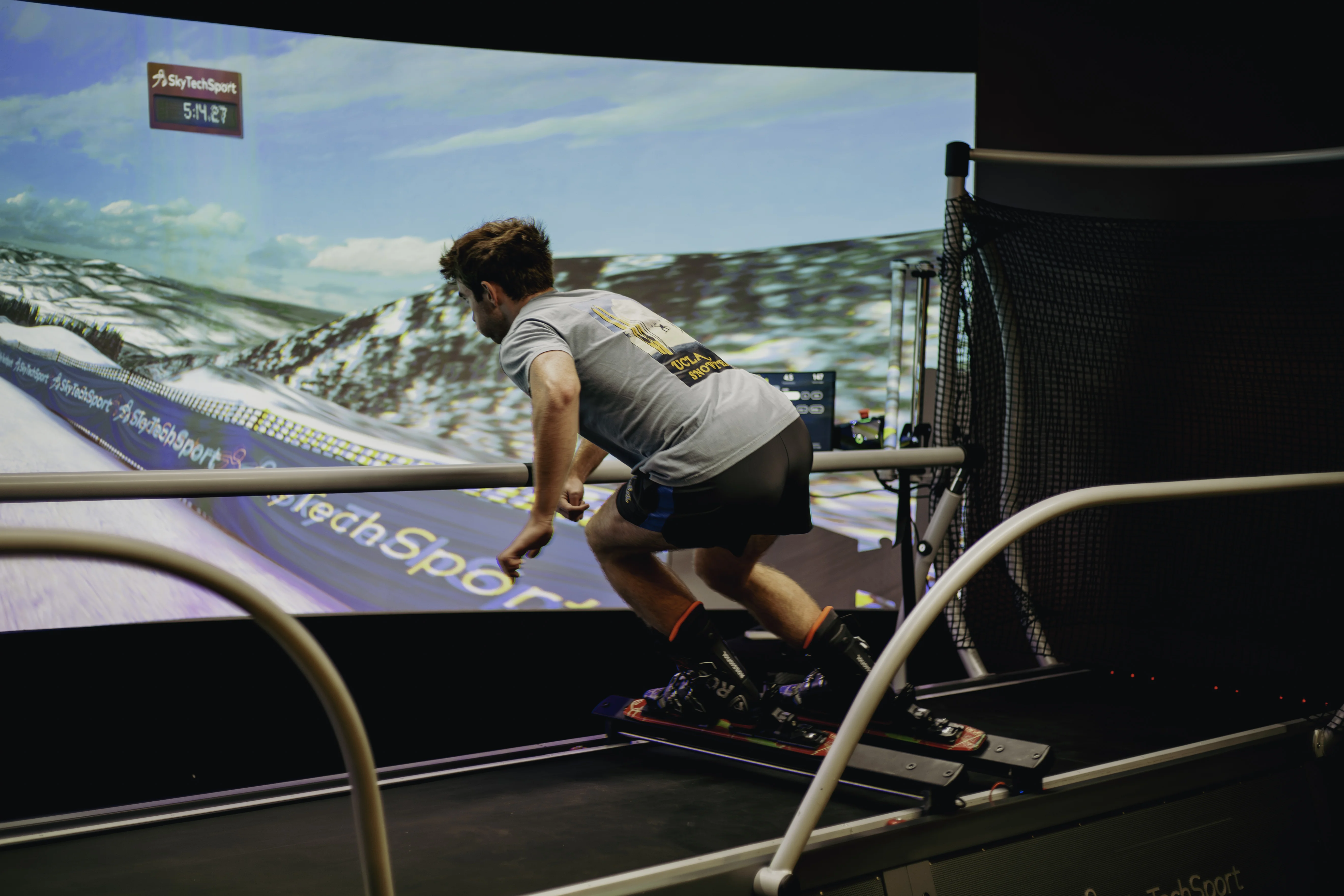
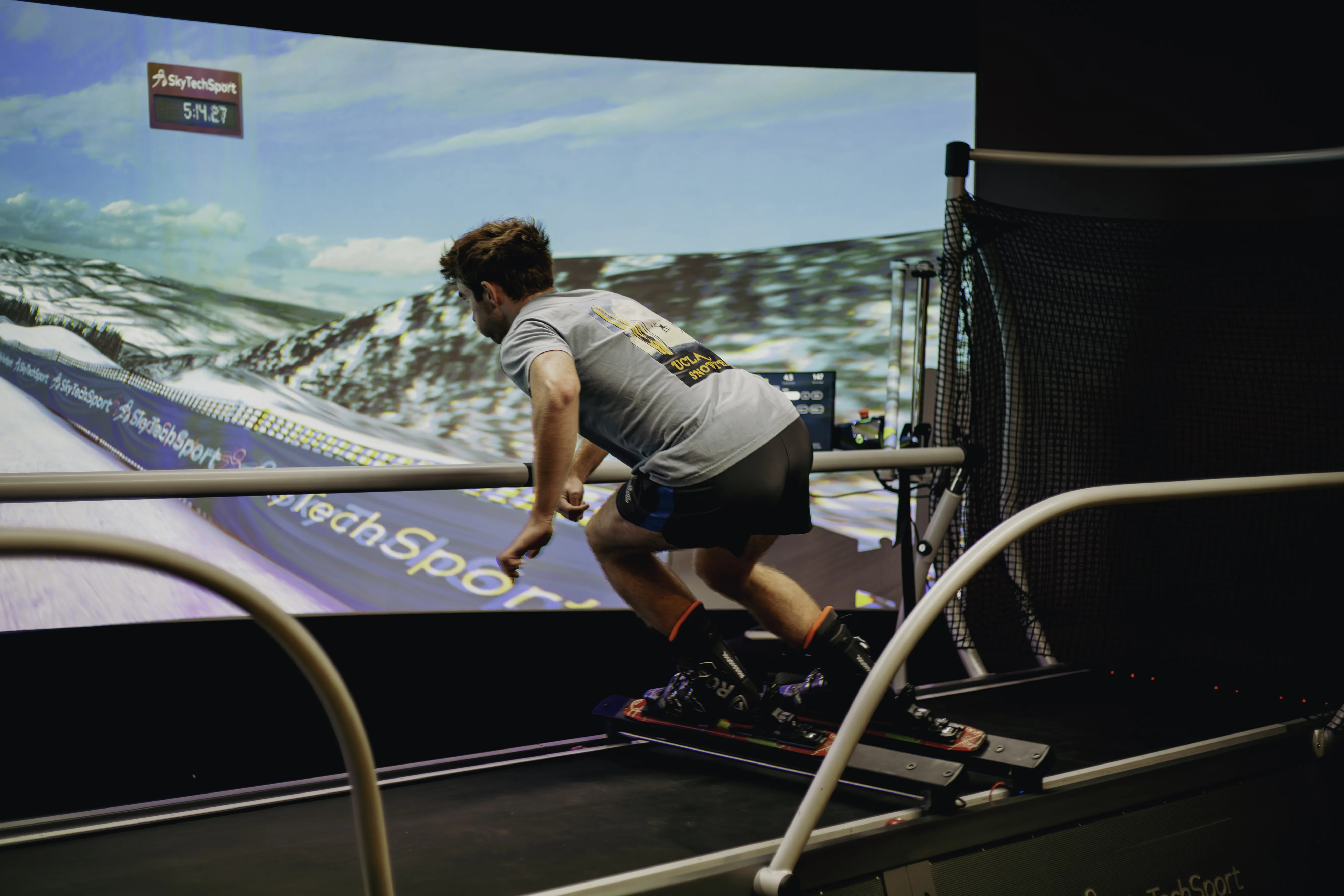
The SkyTechSport Ski and Snowboard Simulator is a perfect example of motion-based training in action. Unlike treadmills or traditional gym equipment, it forces users to engage their core, shift weight, and apply real ski/snowboard technique.
Every session feels like time on the mountain — building skill, endurance, and balance in a sport-specific context. And because it uses sensors and edge pressure feedback, you can track your improvement over time.
Whether you're an athlete looking to maintain performance year-round or a beginner trying to build foundational skills, motion-based training with tools like the SkyTechSport simulator makes a noticeable difference.
Final Thoughts
Motion-based training isn’t just a trend — it’s a smarter way to train. By practicing how you actually play, you’ll improve faster, stay healthier, and perform better in real-life situations.
If you’re looking to add more purpose and precision to your workouts, it might be time to go beyond the gym and into motion.